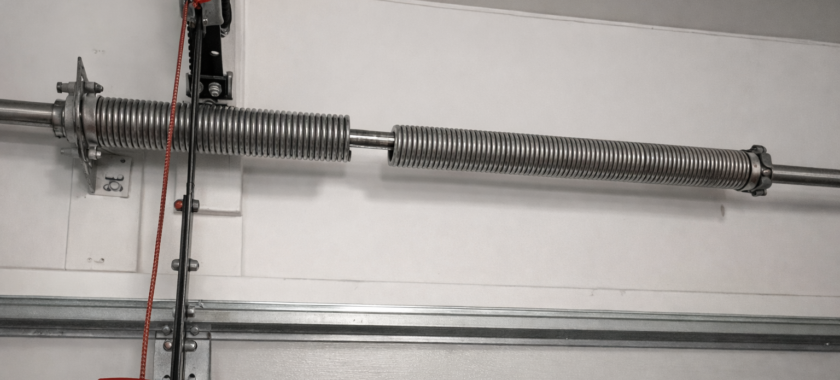
Garage Door Spring Repair Los Angeles
Garage door spring repair Los Angeles homeowners need often becomes urgent when the garage door suddenly becomes heavy, crooked, or refuses to open. Springs carry the full weight of the door during operation, making them the most important moving component of the system.
Understanding how garage door springs function helps recognize early warning signs and prevent dangerous failures.
Types of Garage Door Springs
Torsion Springs
Torsion springs mount above the garage door opening and twist to store mechanical energy. They provide smoother movement and longer lifespan, making them the most common modern system.
Extension Springs
Extension springs stretch along the horizontal tracks and are typically found in older garage doors. They require safety cables to prevent injury if they break.
Common Garage Door Spring Problems
Broken springs usually occur suddenly but show warning signs beforehand.
Signs include:
If your garage door is completely stuck, you may also need <a href=“/garage-door-repair-los-angeles/”>garage door repair Los Angeles</a>.
Why Springs Break
Springs wear out due to repeated cycles and environmental conditions.
Typical causes:
Most springs last 10,000–20,000 cycles depending on usage.
Maintenance Tips
Routine maintenance extends spring lifespan and prevents sudden failure.
Recommended maintenance:
Never attempt to adjust high-tension springs without proper tools.
If the opener stops lifting after the spring breaks, visit our <a href=“/garage-door-opener-repair-los-angeles/”>garage door opener repair Los Angeles</a> page.
When to Call a Professional
Call a technician immediately if:
-
Spring is broken
-
Door slams shut
-
Door lifts unevenly
-
Cables loosen
Garage door springs operate under extreme tension and can cause serious injury if handled improperly.
We also provide <a href=“/garage-door-installation-los-angeles/”>garage door installation Los Angeles</a> if the door system is beyond repair.
Safety Information
Garage door safety information:
https://www.dasma.com/safety/
Frequently Asked Questions
How long do garage door springs last?
Most garage door springs last 10,000–20,000 cycles depending on daily usage and maintenance.
Can I open the garage door with a broken spring?
It is not recommended because the door becomes extremely heavy and can damage the opener motor.
Should both springs be replaced together?
Yes. When one spring breaks the other is near failure, and replacing both prevents repeat service calls.
Garage Door Spring Replacement vs Adjustment
Not every spring issue requires full replacement. A professional inspection determines whether adjustment or replacement is needed.
Adjustment may solve the problem when:
-
The door is slightly unbalanced
-
The spring tension shifted
-
The opener struggles but the spring is intact
Replacement is required when:
Replacing worn springs early prevents opener motor damage.
How Long Spring Replacement Takes
Most garage door spring repair Los Angeles services are completed within one visit. A trained technician measures the door weight, installs the correct spring size, and balances the door for smooth operation.
Proper balancing is critical. Incorrect spring size can shorten opener life and cause repeated breakdowns.
Signs Your Opener Is Being Damaged
A failing spring forces the opener to lift the full weight of the door. This can lead to:
Repairing springs promptly protects the entire system and reduces long-term repair cost.
Emergency Spring Repair
We provide fast garage door spring repair Los Angeles service for doors stuck open or closed. Immediate repair prevents safety risks and protects the opener from additional damage caused by repeated operation attempts.
Schedule Spring Repair
If your garage door is heavy or not opening properly, professional service restores safe operation.
Contact Silence Garage Door & Gates for garage door spring repair Los Angeles service.