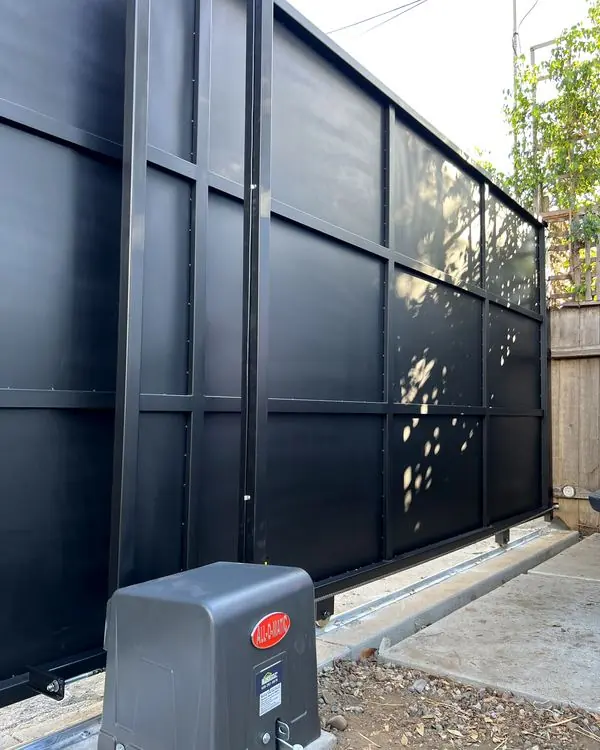
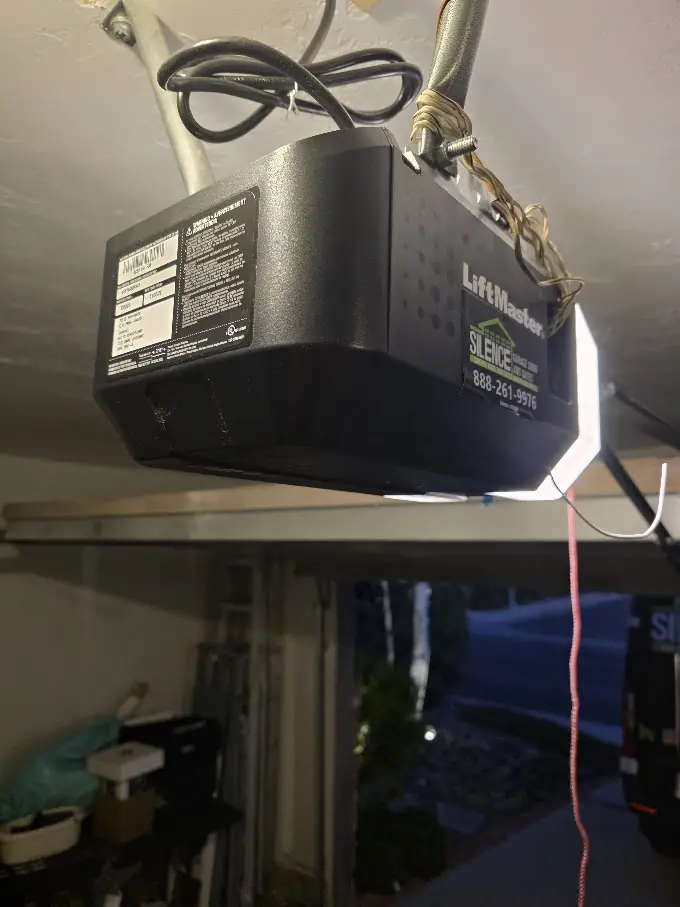
When a gate stops opening, the motor is often fine. Check the battery in the remote, check that the operator has power, and check that nothing is blocking the gate's path. If all three are fine and the gate still does not move, stop there and call a gate technician.
Is it the remote or the gate?
Start with the cheapest part. A weak battery in the remote looks exactly like a dead gate: you press, nothing happens.
Try a second remote, the keypad or the app. If the gate opens from any of them, the gate is fine and the first remote needs a battery.
Does the operator have power?
Gate operators plug in or run off a breaker like anything else. A tripped breaker or an unplugged unit stops the gate cold.
Look for a light or a display on the operator. No lights at all usually means no power, not a broken motor.
Dealing with this right now?
Tell us what the gate or door is doing. We will tell you what it needs.
Is something in the way?
A gate that starts to move and then stops or reverses is often doing its job. Safety sensors stop the gate when something is in its path.
Check the track and the area between the sensors for leaves, toys, a trash can or anything else that should not be there.
When should you stop and call?
If the three checks are fine and the gate still will not move, do not force it. Gates are heavy, and springs, chains and motors can hurt you.
Tell us what you tried when you call. It saves time on site, and sometimes it saves you the visit.
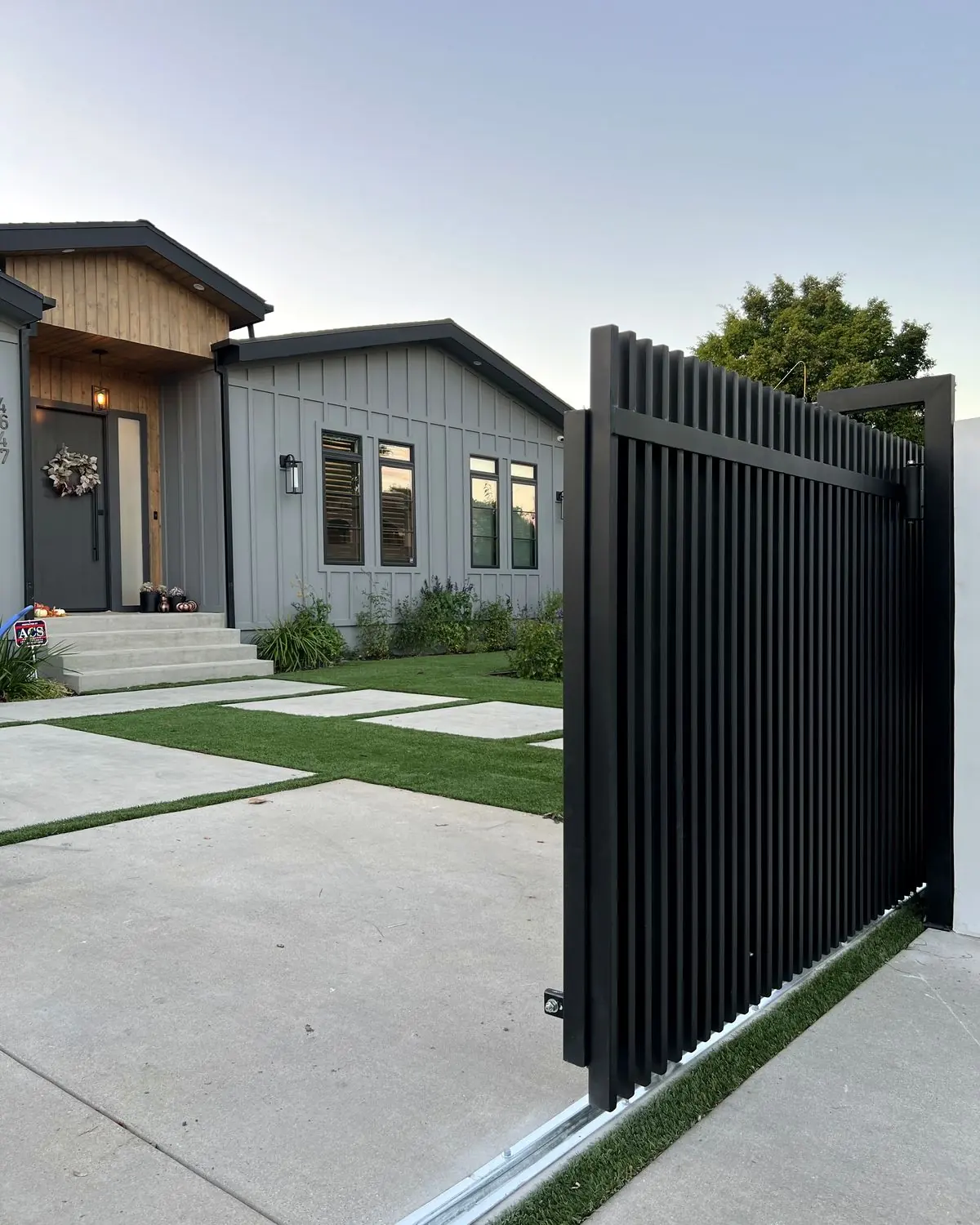
Check the battery before you replace the motor.
Related service: Automatic gate repair